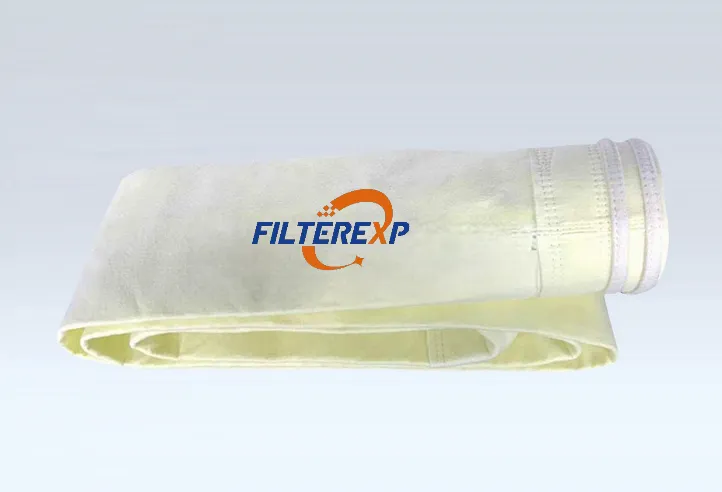
Fiberglass filter bags are professional filter media designed for industrial dust collection and separation. Featuring outstanding heat resistance, reliable chemical inertness and robust mechanical performance, they are well-suited for harsh working conditions including metal fabrication, power generation and cement production.
Type: Non-woven fiberglass filter bag / Woven fiberglass filter bag
Surface Finishes: PTFE coating, PTFE impregnation, silicone coating, graphite coating, calendering
Size (Diameter & Length): Customizable
Application: Cement plants, metal processing, power plants, chemical industry, waste incineration, etc.
Fiberglass
Fiberglass is an inorganic fiber mainly composed of SiO₂. It is produced by melting glass cullet at 1300–1600°C, drawing the molten glass into fine filaments, followed by rapid quenching. For filter media, two common grades are available: C-glass (medium-alkali / soda-lime silicate glass) and E-glass (alkali-free / aluminoborosilicate glass). Fiberglass stands out for excellent heat resistance, superior dimensional stability and high tensile breaking strength. Chemically, it remains inert to most media, with the exceptions of hydrofluoric acid and hot strong alkalis.

Features of Fiberglass Filter Bags
High Temperature Resistance
Withstands continuous operating temperatures up to 260°C (500°F) or above, subject to surface treatment and fabric structure.
Chemical Resistance
Offers excellent resistance against acids, alkalis and various corrosive media.
Mechanical Strength
Boasts good durability and wear resistance to prolong service life, with a typical runtime of over 4500 hours.
High Filtration Efficiency
Effectively traps fine particulate matter and delivers reliable filtration performance.
Dimensional Stability
Retains its shape and structural integrity at elevated temperatures for stable, consistent filtration results.
Woven vs Non-Woven Fiberglass Filter Bags
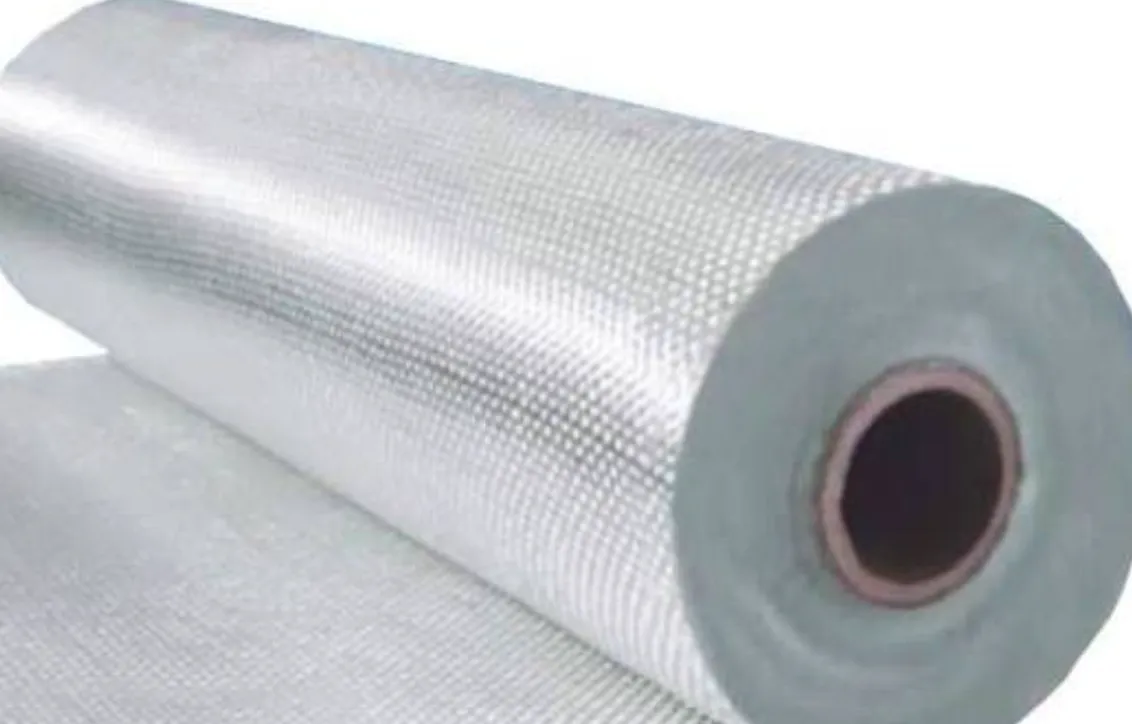
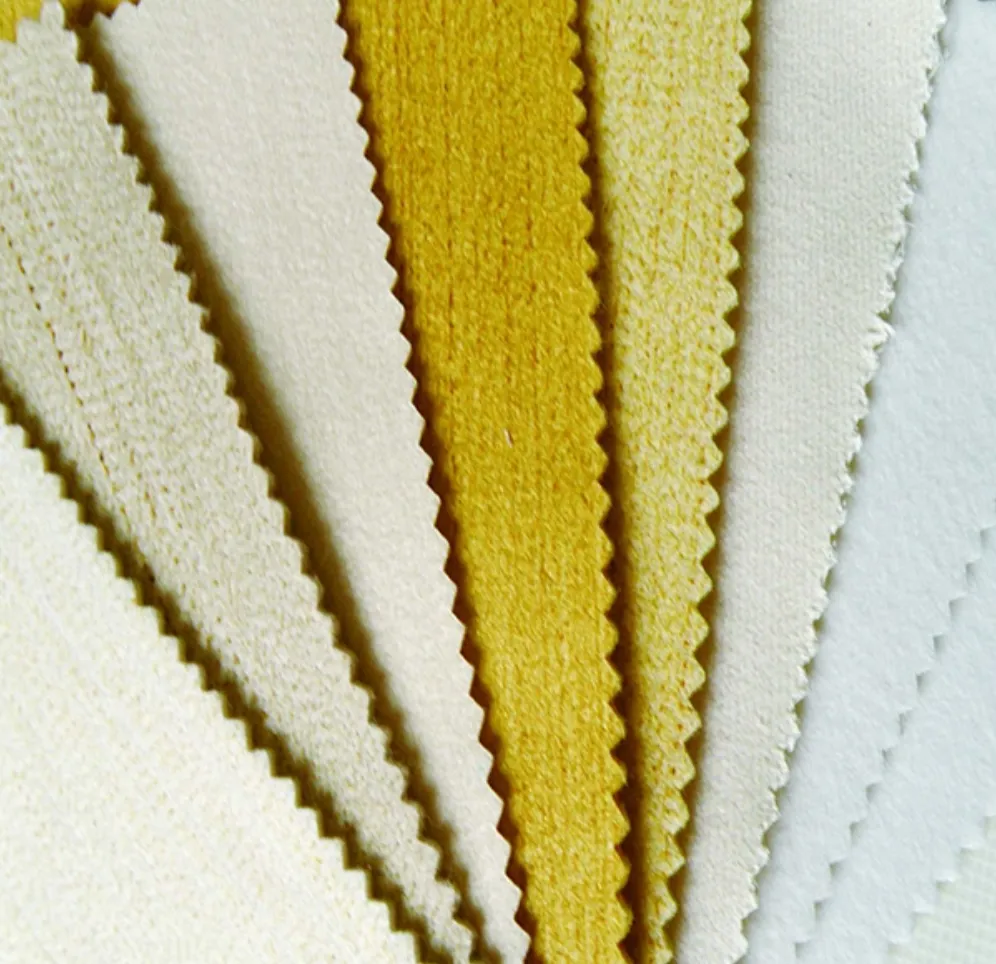
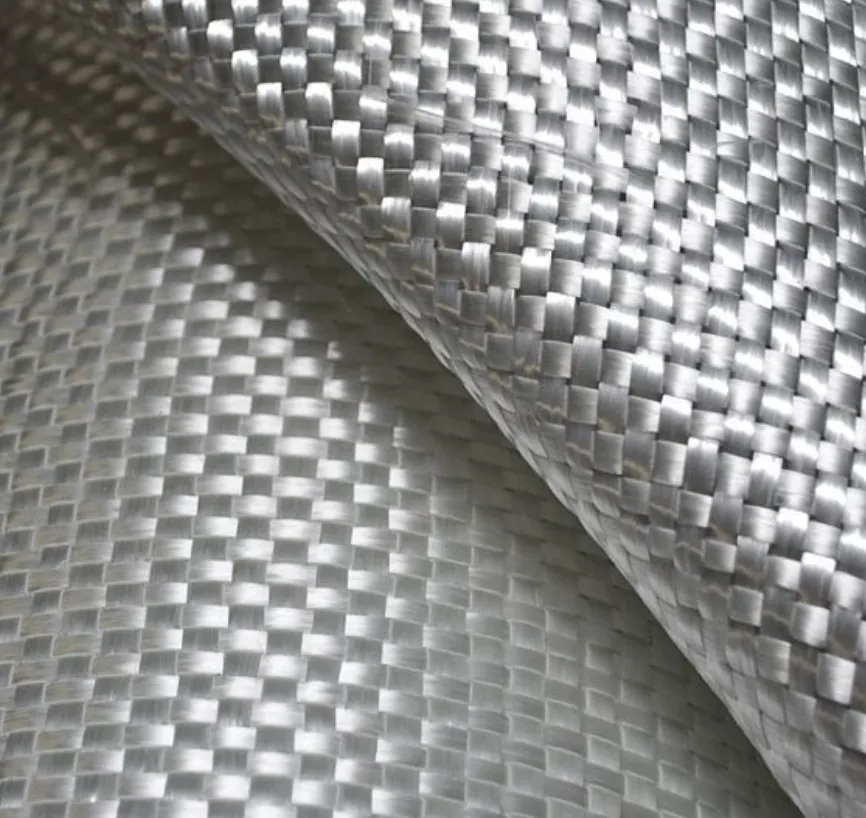
Woven and non-woven fiberglass filter bags differ significantly in production processes and performance traits. Woven fiberglass filter bags feature superior mechanical strength and durability, making them ideal for high-temperature and severe working conditions. By contrast, non-woven fiberglass filter bags are softer with favorable air permeability, suited for medium-to-low temperature applications with light dust loading.
Non-woven fiberglass needle felt Woven fiberglass cloth
| Item | Non-woven Fiberglass Filter Bags | Woven Fiberglass Filter Bags |
|---|
| Manufacturing Process | Glass fibers are bonded together via non-woven technologies including needle punching, meltblowing and spunbonding. | Fabric is weaved from fiberglass yarns with orderly warp and weft arrangements to form a regular woven structure. |
| High Temperature Resistance | Good heat resistance, slightly inferior to the woven type. | Excellent high-temperature tolerance, designed for continuous high-temperature working conditions. |
| Mechanical Strength | Moderate mechanical strength; featured with superior softness and conformability. | High mechanical strength and abrasion resistance, ideal for harsh operating conditions. |
| Filtration Performance | High filtration efficiency and favorable air permeability for fine particle capture. | High filtration efficiency yet relatively lower air permeability. |
| Applicable Environment | Medium-temperature environments with low corrosion and fine dust. | High-temperature, highly corrosive and heavily abrasive environments. |
Specifications of Woven Fiberglass Filter Bags
| Item | EWTF450 | EWTF550 | EWTF800 | CWTF450 | CWTF550 |
|---|
| Weight (g/m²) | 450 | 550 | 800 | 450 | 550 |
| Tensile Strength (N/25 mm) Warp Weft | >1750 >1000 | >2200 >1500 | >2400 >2100 | >1700 >1900 | >1700 >1200 |
| Air Permeability (cm/s) | 20–55 | 15–35 | 10–30 | 20–40 | 20–40 |
| Continuous Operating Temperature (°C) | ≤280 | ≤260 | ≤260 | ≤280 | ≤280 |
| Recommended Air Velocity (m/min) | <0.5 | <0.7 | <0.5 | <0.5 | <0.5 |
| Remarks | Finishing options: PSI, FCA, RH, BI, ST. Fabric width: 400–1000 mm; Filter bag diameter: Φ120–300 mm | | | | |
Surface Treatment
PTFE Coating
PTFE coating forms a membrane layer on the surface. Dust stays on the membrane surface instead of penetrating into the internal fibers, which helps prolong the service life of the filter media.
PTFE Impregnation
The filter media is soaked in PTFE solution and then dried. This treatment upgrades its high-temperature tolerance and chemical corrosion resistance.
Silicone Coating
It improves abrasion resistance and anti-adhesion performance, cuts down dust buildup, and optimates dust cleaning results.
Graphite Coating
It boosts the filter bag’s high-temperature resistance and anti-oxidation capability, together with better acid and alkali resistance.
Calendering
Calendering delivers a smooth, even and compact surface with consistent thickness. It reduces pore size and prevents dust from penetrating deep into the filter media, facilitating ash cleaning and extending service life.
Applications of Fiberglass Filter Bags
Cement PlantsSuitable for kilns and clinker coolers.
Metal Processing
Ideal for furnaces and smelting systems.
Power Plants
Used in flue gas desulfurization systems.
Chemical Processing
Applied for filtration of corrosive gases and media.
Waste Incineration
For flue gas emission control of incinerators.
We Focus on Every Production Detail
We precisely calculate and design the filter cloth dimensions for each filter bag. The filter cloth is cut slightly over the nominal size to reserve sufficient margin for fabrication.
We select compatible filter bag accessories and conduct strict quality inspection prior to assembly.
Filter bags are marked, cut and sewn on automated production lines. For manually processed bags, we lay the fabric flat on the workbench with controlled tension to avoid wrinkles.
All production follows stringent quality standards based on engineering drawings and standard operating procedures. Our staff adhere to site safety regulations, and smoking is strictly prohibited in the workshop.